• Welcome to For E Bodies Only !

    We are a community of Plymouth Cuda and Dodge Challenger owners. Join now! Its Free!

73 Soft Pedal Learning Process

Yep, that's exactly what happens when the rears lock up 1st.
Thx for agreeing
My whole point, is to concentrate on the brakes that do 80% of the work.

I think heminut is saying with front brakes only, the car will spin around when there isn't enough friction at the rear wheels. Braking hard in a straight line might be okay, but add just a little steering, and in the rain, for example, you're gonna spin out.

Further, I don't think Katfish is suggesting ignoring the rear brakes. You want the whole system, front and rear, in good order before driving it on the road. You're well on your way getting things resolved.
 
Last edited:
OK gents, time to report in after a week away. I am determined ultimately to write up the solution to benefit someone else. Some threads I have seen elsewhere just end in the middle, and the reader has no idea what happened. No lesson learned.

As to where I am now, well it is a good thing I learned to have a grim sense of humor in the Army. Stuff went wrong there all the time too, LOL.

Booster Push Rod

Going into this week, I was absolutely convinced the root cause of my problem, a pedal that grabs close to the floor, was that the booster push rod was not adjusted properly, and that there was too great a gap between it and the piston in the MC. I bought a guage to measure the gap and adjust it.

So here is the result. Or lack of a result...

On the booster pushrod gap, I unbolted the MC, moved it as far aside as I could, and used the guage to measure the MC depth (to the piston inside). Once I pushed the guage rod into the MC, clamped the rod and reversed the guage, I found that the guage legs (deep side toward the booster as required) would not touch the booster. To my astonishment the push rod was adjusted a bit too far forward (toward the MC), not backward (toward the firewall). This showed that I had to adjust the push rod in the opposite direction than I expected and pretty much killed my hypothesis about the booster push rod causing the low pedal engagement. I put a .010 gap between guage rod and booster push rod and put the MC back in place. While the MC was off, I did determine that it was not leaking into the booster. It was dry.

Rear Brakes

The rear brakes have been driving me a bit nuts, but one reason I have been trying hard to adjust them is my understanding that if the rear brake shoes are too loose, it is another reason that the power brake pedal can grab (or engage) too close to the floor, with a lot of pedal travel before the brakes hook up. I watched a whole video on this just a couple of days ago, where a repair shop was adjusting the rear brakes on a 94 Chevy truck. The situation sounded a lot like what has been happening with my Challenger. They did not do much to those brakes (e.g., they did not replace the old drums). They just adjusted the shoes out and then felt for some grab when putting the drums on. They then rotated the drums and listened for that hissing noise that indicates light drag. They immediately felt grab, just an inch at most into pedal travel with the engine on. This was encouraging.

I also saw a video demonstrating how to use a drum brake guage, which I do not have. But I got the drift.

However, I simply cannot get that sound indicating light drag. I do not have a guage so I just put the drums on and off and rotated the adjuster outwards until I needed to push just a tad (and I mean a tad) to get the drums on over the shoes. I then rotated the drums, but at that point it was actually pretty difficult to rotate them. I then tightened up the e-brake cable until it was really difficult to rotate the drums. I figured that at least this would prove one way or another whether I had pedal. Just a note, even with the difficulty rotating the drums with the e-brake off, I can depress my e-brake foot pedal almost to the floor. I am guessing it should only go down a few notches. The cables are brand new. This is a confusing scenario.

Test

Today I put the car up on dollies and rotated it so I could try backing it up and driving it forward in the garage. Naturally I tripped over the jack handle, which makes twice this week...

As soon as I put the key in the ignition, the horn sounded and continued to do so until I disconnected the horns from the harness... The chrome key slot with indicator has become very loose and rotates freely, and I now have no left or right turn signals. I recently put the column back in the car. The key slot part was loose before I took the column out, but everything was working then. I guess I have some diagnosing to do and maybe a new ignition switch is necessary. A future thread.

So, with that mess out of the way, I proceeded to test the booster: pump pedal several times with engine off to clear vacuum and get a firm pedal; hold pedal down, start engine, pedal should go down. This test worked perfectly on my 2013 Challenger as a control. On my 73, I could not get a firm pedal when pumping with the engine off. I have to redo the test and make sure I didn't do something out of sequence. I started the car with my foot on the brake and the pedal did not go down. I have to redo this test and then try a vacuum leak test and recovery test before deciding that this brand new booster doesn't work.

I tried going forward and backward a few times and the pedal on the car feels stiffer than before I adjusted the booster push rod. But the pedal still goes way down toward the floor before I start to feel any engagement. On my modern Challenger, even with light pressure, I feel the brakes engage almost immediately. I am not sure why the power brakes in the 73 would feel much different. Something is clearly out of whack; potentially I need to bleed the brakes again.

Anyway that is the news from Lake Woebegone, where the brakes are way below average.

Cheers...

 
Just an added note, the adjustable proportioning valve for the rear brakes is currently set in the middle. I can adjust it to maximum brake (meaning it would allow full pressure to the rears) if that might help; any thoughts on this? This would just be for testing. I will test the booster again tomorrow, to include this vacuum leak test procedure I found on line:

Run engine 2 minutes
Turn off engine
Hold pedal down hard and hold. Pedal should feel normal
Wait 30 sec
If pedal pushes back against foot, the booster has a vacuum leak
 
I had an issue with no brake pressure and couldn't isolate the problem.
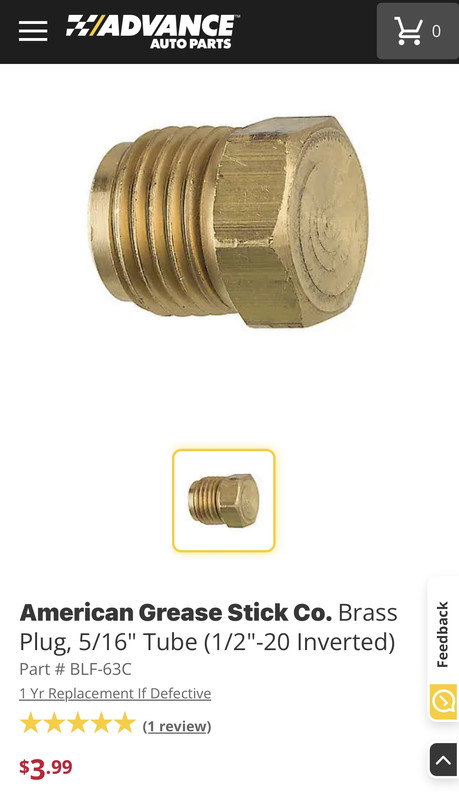
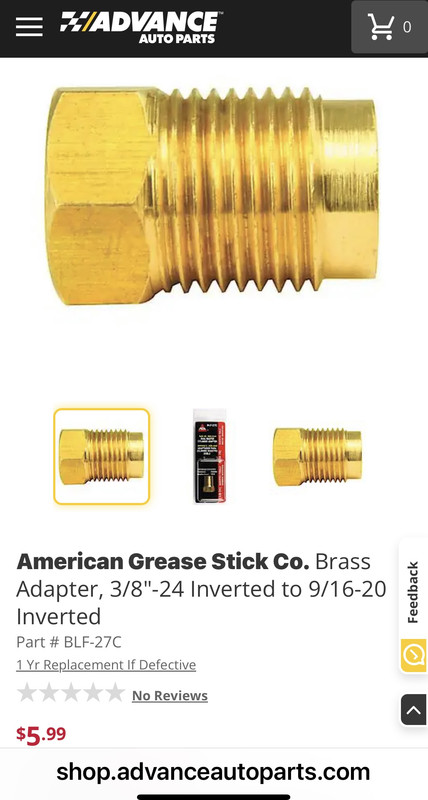
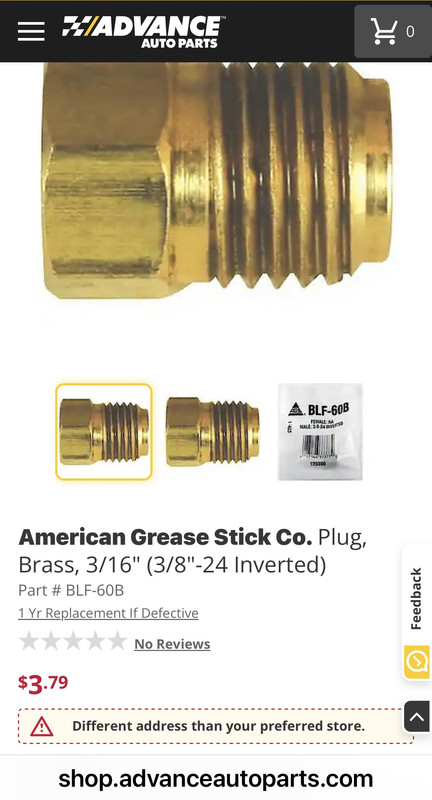
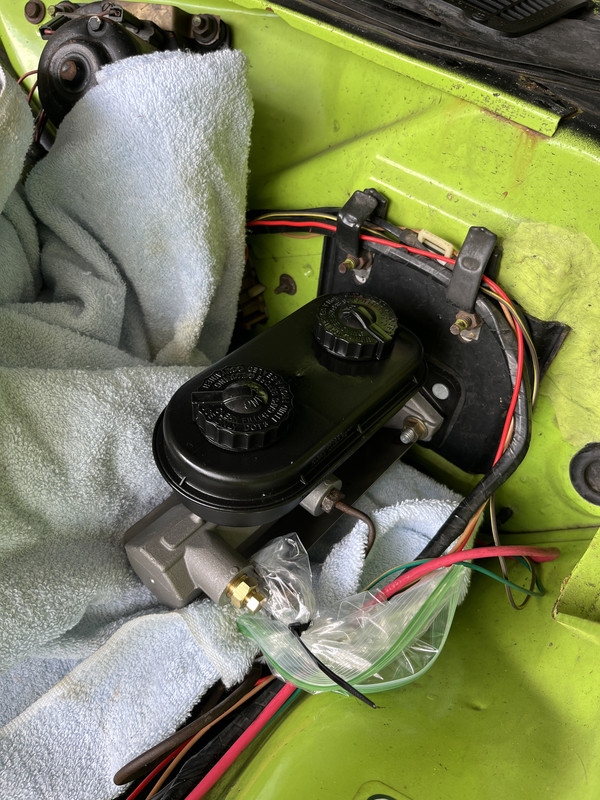
I finally got some brass plugs and blocked off the ports on the MC, 1 at a time, and that immediately showed me the issue. Mine are manual brakes, but would be the same for power. I kept thinking I had an issue with the MC or calipers, but it turned out to be an issue on the rears. Maybe worth a try.


I simply cannot get that sound indicating light drag.
When I replace the shoes. I adjust out to where there is some sort of drag. I pump the brakes for the wheel cylinder to push everything in place. Then repeat until I get the drag I want, tighten up or loosen. And yes sometime they have to be backed off a bit to get the drums off.
If you don't have pressure that can't be done.
I then tightened up the e-brake cable
Now I thing you understand both have to be adjusted. I think mine is about 5-6 clicks for the parking brake. When off it's loose but not swinging around.
82 posts in, but I'm going to toss this out there.
Has anyone checked that the distribution block shuttle valve has not tripped?
Yes. I posted it back there somewhere. He said it was up. But I think there is something a muck in there. The pressure is bypassing in the valve. Just looked # 62 - #67
 
Last edited:
82 posts in, but I'm going to toss this out there.
Has anyone checked that the distribution block shuttle valve has not tripped?
The pin on my combo valve is in the up position. I think that means it is OK, but, possibly I need to test further.
 
I had an issue with no brake pressure and couldn't isolate the problem.
I finally got some brass plugs and blocked off the ports on the MC, 1 at a time, and that immediately showed me the issue. Mine are manual brakes, but would be the same for power. I kept thinking I had an issue with the MC or calipers, but it turned out to be an issue on the rears. Maybe worth a try.


So when the front line was plugged, you could see that you were losing pressure to the rears? Is that how it worked? Also I see you are using a newer-style MC. Nice. Mine has that rusty look LOL.
 
When I replace the shoes. I adjust out to where there is some sort of drag. I pump the brakes for the wheel cyclinder to push everthing in place. Then repeat until I get the drag I want, tighten up or loosen. And yes sometime they have to be backed of a bit to get the drums off.
If you don't have pressure that can't be done.

Now I thing you understand both have to be adjusted. I think mine is about 5-6 clicks for the parking brake. When of it's loose but not swinging around.

Yes. I posted it back there somewhere. He said it was up. But I think there is somthing amuck in there. The pressure is bypassing in the valve.
I followed the manual on adjusting the e-brake the last time I tried adjusting and this time - you are supposed to back the adjusting nut off two whole turns once you get the e-brake to put drag on the rears. But I cannot yet distinguish between the basic rear brake drag and the e-brake drag, if that makes any sense. I thought it was strange that I adjusted just a few clicks to where I could still put the drums on without any real force, but they were suddenly hard to turn.

On the combo valve, what can I do to test it? Do I need to disconnect the lines to it? I think the brake light came on when I turned on the ignition and then went out after I started the engine, but I will check that again. I was not paying close attention. Not sure if that is part of any test of the valve. Thanks!
 
I thought it was strange that I adjusted just a few clicks to where I could still put the drums on without any real force,
That's why I said to pump the brakes to help put things where they wan't to be. but there has to pressure applied through the wheel cylinder that your not getting the pressure.
I think it's bypassing in the conbo valve.

I think as Katfish suggest plug the lines and see were you have pressure. A simple but effective tool.
 
Last edited:
Back
Top