• Welcome to For E Bodies Only !

    We are a community of Plymouth Cuda and Dodge Challenger owners. Join now! Its Free!

My Challenger is too loud!

surfnturf

Member
Joined
Mar 24, 2024
Messages
10
Reaction score
15
Location
Woodside, California
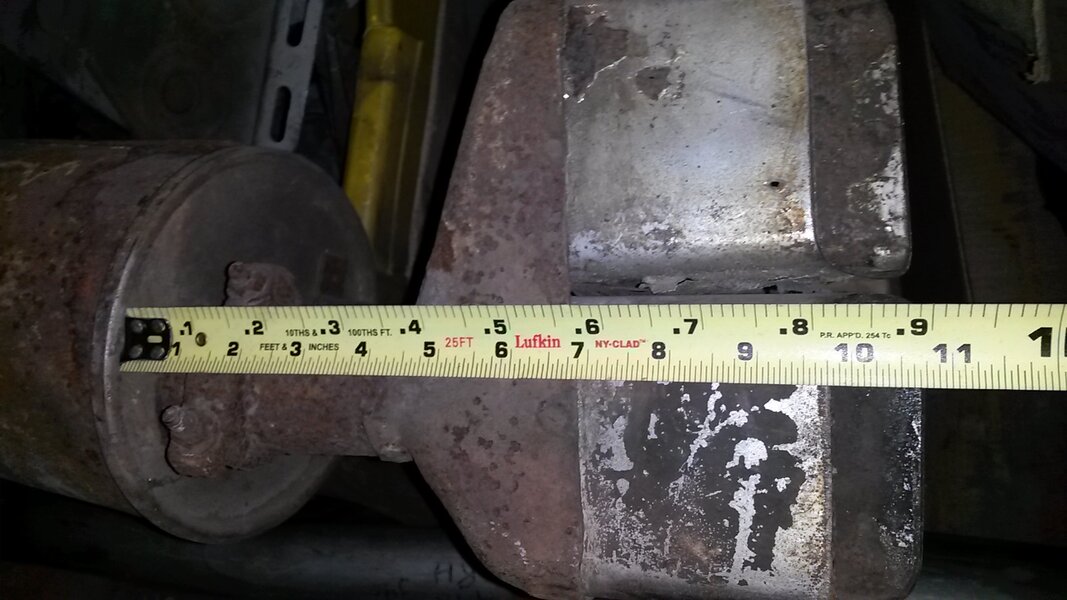
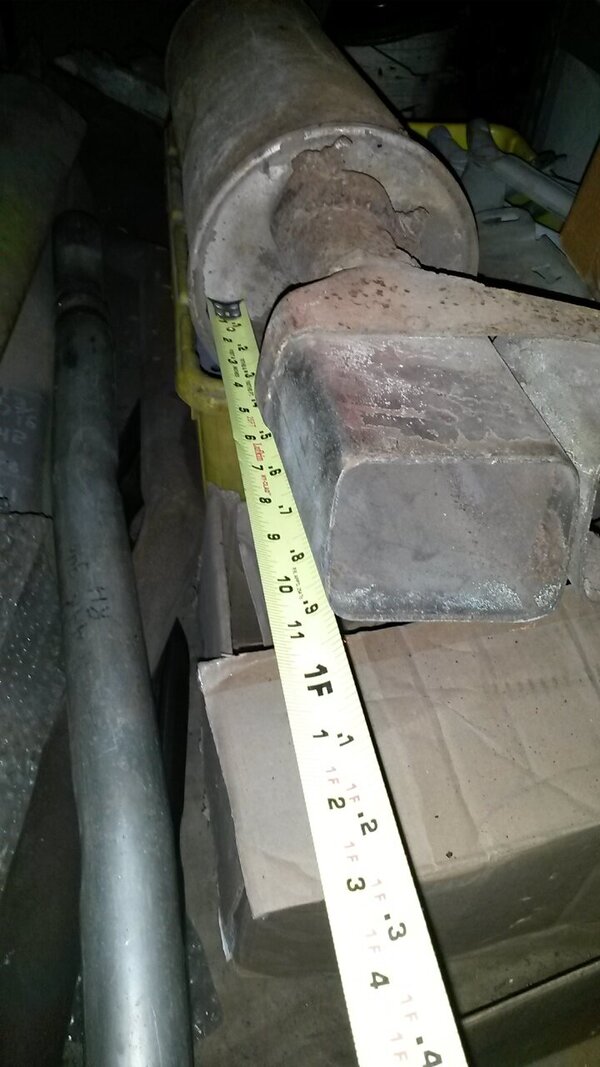
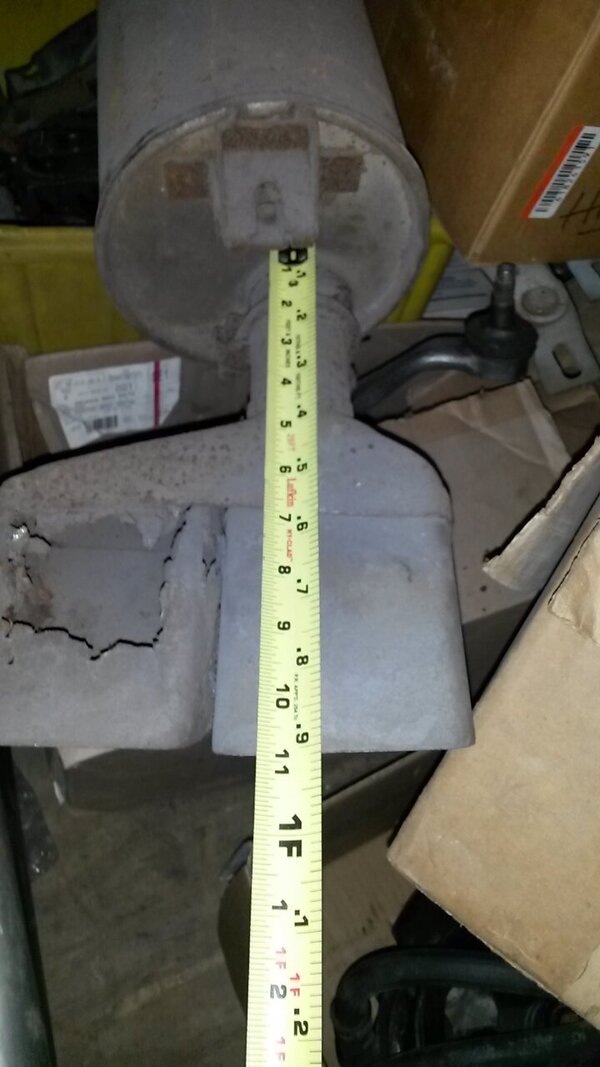
I'm, very familiar with the saying "if it's too loud.... you're too old". At 64, I guess I'm too old. The previous owner swapped out the stock mufflers for some aftermarket flowmasters. It's not horrible, but definitely louder than I like. Do any of you have an opinion on the stock mufflers? The previous owner gave me the originals, which look like new. He complained that it was too quiet and felt that it compromised the performance. I find that hard to believe. I'm seriously considering having the original re-installed but thought it would be worth hearing other's opinions. Also, the current quad tips are sitting just shy of flush from the rear valance. Is there a target distance that they should be sitting proud?

IMG_5194.JPG
 
I can't speak to your question directly, but I will tell you that on my last build - 55 chevy - I bought some mufflers everyone said would be great and not too loud. I ran them for a bit and felt they were definitely too loud (I'm 63 BTW).

So after some (more ) research I picked some different mufflers and did the work to swap them out. I am happy with the results and it made me realize the sound is very subjective and what one person thinks is fine, another considers loud and vice-versa.

I'm building a 70 challenger convertible now with a 392 hemi, so I will be looking for the right set of mufflers for it. Definitely won't be stock, but not "too loud" either LOL.
 
Also, the current quad tips are sitting just shy of flush from the rear valance. Is there a target distance that they should be sitting proud?

  • 20211127_150130.jpg
    77.6 KB · Views: 293
  • 20211127_150210.jpg
    20211127_150210.jpg
    93.6 KB · Views: 286
  • 20211127_150304.jpg
    20211127_150304.jpg
    90.9 KB · Views: 332
  • 20211127_150351.jpg
    20211127_150351.jpg
    73.7 KB · Views: 300

  • 20211127_150130.jpg
    77.6 KB · Views: 293
  • 20211127_150210.jpg
    20211127_150210.jpg
    93.6 KB · Views: 286
  • 20211127_150304.jpg
    20211127_150304.jpg
    90.9 KB · Views: 332
  • 20211127_150351.jpg
    20211127_150351.jpg
    73.7 KB · Views: 300
 
Last edited:

  • 20211127_150130.jpg
    77.6 KB · Views: 293
  • 20211127_150210.jpg
    20211127_150210.jpg
    93.6 KB · Views: 286
  • 20211127_150304.jpg
    20211127_150304.jpg
    90.9 KB · Views: 332
  • 20211127_150351.jpg
    20211127_150351.jpg
    73.7 KB · Views: 300

  • 20211127_150130.jpg
    77.6 KB · Views: 293
  • 20211127_150210.jpg
    20211127_150210.jpg
    93.6 KB · Views: 286
  • 20211127_150304.jpg
    20211127_150304.jpg
    90.9 KB · Views: 332
  • 20211127_150351.jpg
    20211127_150351.jpg
    73.7 KB · Views: 300
Very helpful! Thanks!!
 
The older get. After driving one of my classic cars all day. Sometimes I think about making them quieter. Sometimes, I said. I actually haven't gotten that old yet. However, everyone knows when I am coming in my blue Challenger.

rsz_20160713_164732_002.jpg
 
Roby a shipmate. He explained it to me by taking me for a ride in his 69 383 4spd Road runner. It didn't have a stock exhaust. So I opted to keep the stock exhaust on my challenger. The owner before my said he had the muffler burned out. I did get stopped for a load exhaust a few time in Philly. They would look and it was all there!

An exhaust resonator reduces unwanted engine noise by modulating sound frequencies, helping to create a smoother and more pleasant exhaust note. It works alongside the muffler to minimize loud or annoying sounds from the vehicle's exhaust system.

What is an Exhaust Resonator?​

An exhaust resonator reduces low-frequency droning noise from the engine. As cylinders fire to produce power, pressure pulses travel through the exhaust pipes. The pulses contain a broad spectrum of sound wavelengths. Without any dampening, the frequencies around 30-60hz are most noticeable as bothersome, sustained droning.
• Resonators are not designed for noise reduction— They’re designed for sound quality improvement.
• Frequency targeting— They focus on eliminating specific, often high-pitched frequencies.
• Minimal impact on performance— Resonators generally don’t impart a significant exhaust backpressure.
• Position in the system— They’re typically located between the catalytic converter and the muffler.

As sound waves pass through the resonator, some are absorbed while mid- and higher frequencies transmit onward. This attenuates the most offensive resonances without completely silencing the exhaust note.


It’s mostly a hollow tube with a few baffles that cause it to act like “echo chamber” where the exhaust noise bounces off the sides, colliding with one another and cancelling out the highest pitched sound frequencies.

1768672873283.png
 
Back
Top